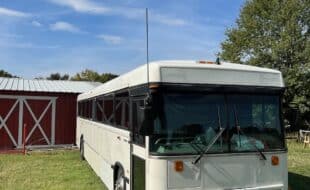
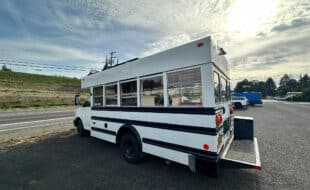
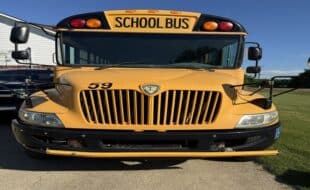
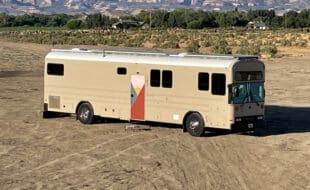
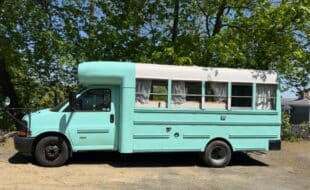
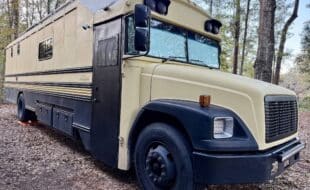
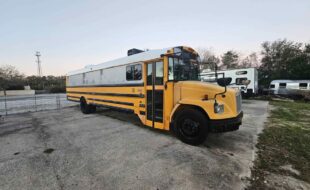
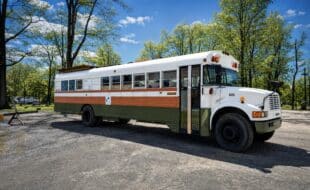
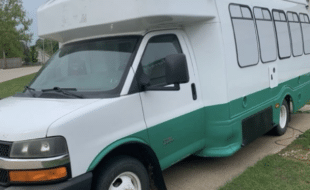
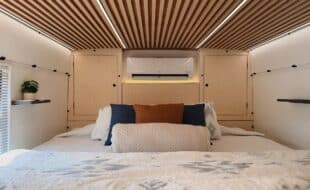
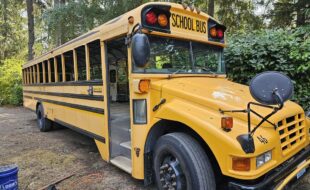
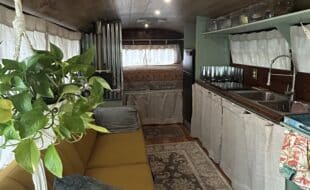
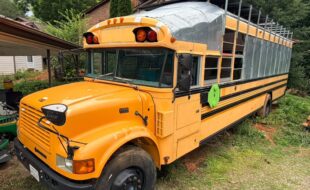
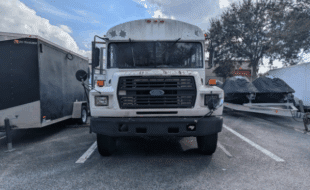
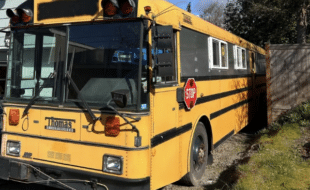
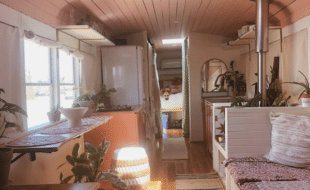
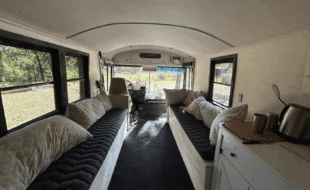
I am selling a 2005 international CE3300 (school bus) that was converted into a recreational vehicle. The asking price is $30,000 but any and all reasonable offers will be considered. I am not interested in trades. I live on the peninsula, hence the location of the post but the Bus is in a storage facility about 1 hour south of the peninsula. I ask that you read the entire post before reaching out and asking questions.
Story, why
- Bought the vehicle in January of 2021 from the state government of Kentucky. The remodel was complete by November of 2021 then I lived in the bus from November 2021 to February 2023.
- From February of 2023 I have taken it on multiple 500 mile plus trips with zero issues.
- There are no issues with the bus, and I don’t want to sell it, but I simply am not using the bus enough and it needs a good home.
Who am I?
- What are my qualifications? This section is to provide some details on my process and how well built the vehicle is.
- At the time of writing this I work for the department of Energy and am currently pursuing my master’s degree in structural engineering. Some previous work experience includes building / remodeling residential properties and being a jet engine mechanic for the US Navy.
- I have kept all design aspects of the project and even some rudimentary cad drawings. Additionally, I have over 300 pictures of the process showing where everything is placed behind the walls and below the floors, which will be provided.
- Lastly, this bus means a lot to me, and I have put a ton of work into it. Therefore, included in the price I will be available to the seller indefinitely, within reason, to assist or answer questions. You will have access to the designer and builder after buying.
Hull
- All the rear side windows were replaced with 12-gauge steel sheets then holes were cut to accommodate the windows you see now.
- Those windows are single pane windows with a bug screen.
- The backup lights were removed and replaced with a different type and moved to a new location.
- The front-end bubble mirrors were removed, and fiber glassed over the holes
- The emergency light front and rear were removed and bondo’ed over the holes.
- A steel ladder was designed and built. It was designed for a 1000 lb. load. I have actively tested the ladder at 500 lbs.
- New paint job and scheme
- Has a large light bar on roof
Engine
- DT446 with 42xxx miles on it. Original engine and no work have been done to it. I keep up with oil changes, fuel and transmission filters in accordance with the manufacturer’s standards.
- Two other items have been replaced in my ownership by international professionals and I have documentation: high pressure oil pump and a ground power wiring harness.
Electrical
- The electrical system is the powerhouse of the bus, and it was designed to work as such.
- (4) 200-amp 24-volt solar panels wired in series-parallel make up a large portion of the roof connected to (4) 100 Amp hour lithium-ion batteries.
- Everything is gauged properly and brought up to US electrical standards.
- The Electrical system can handle extremely high demands rain or shine
- There are charge controllers that allow for shore power to be connected, DC-AC conversion, Solar step down, battery charging though engine power all controlled the Victron app.
- Has 4 main (120 volt) A/C breakers and 12 (12v) D/C breakers with plenty of room for add-ons in the future.
- All electrical lines that run through the walls are in conduit to allow for ease of access
- There are roughly 6 outlets in the bus with one in the garage for charging of tools
Plumbing
- There are technically 3 main plumbing systems in the bus that do not interact with one another.
- Fresh water system
- This system runs on the starboard side of the bus behind the cabinets and underneath the bus. The freshwater system includes the following components: main kitchen sink, hot water tank, outside shower, and washing machine. The Fresh water system has two main sub parts: Gravity and pressurized.
- The gravity system is filled from the main outside port that gravity feeds into (2) parallel tanks (under mounted) that are 35 gallons. Then is carried up to any desirable system.
- Pressurized is similar except it hits a bypass valve and skips the undermounted tanks.
- Both systems operate pretty much the same, but we have two ways to achieve the same goal. I always used the gravity system.
- Shower system
- This system is entirely self-contained. The idea is to have a hot shower indefinitely on a limited supply of water, called a recirculating hot water system.
- The 10-gallon (undermount) tank supplies water to the indoor shower head and once it enters the drain it runs through (1) charcoal filter then (4) micron filters of varying degrees, followed by a UV light. If you use biodegradable or gentle soaps the filters can last anywhere from 3-6 months. Don’t pee in there!
- Hydronic system
- This system does not supply water, but instead supplies glycol that is heated to 120+ degrees Fahrenheit through a small diesel heater or Auxiliary power unit (APU) installed in the engine bay. The system snakes from the engine bay and zigzags underneath the floor. This system has two primary goals, personnel heat, and Engine heat.
- Personnel heat: The plumbing intersects with both other systems (Shower and fresh water) at locations though heat exchangers providing hot water.
Heating
- This system is mostly referenced under the hydronic system of the plumbing section.
- The system is broken up by a small auxiliary heater located in the engine bay attached to the engine coolant system and finally hits a manifold under the floor of the table.
- The manifold has 4 main nodes for controlling hot water for sink, shower, and underfloor heating, with an extra node for expansion
- A decent recommendation for expansion would be a hydronic heating coil with a fan. The underfloor heating system works well but takes a long time to come online where a heating coil could fill in the gap.
- The underfloor heating helps with reducing engine overheating during hot days and hill climbs.
- This system allowed for 10 hours in one day through Utah in 95-degree weather.
Interior
- Insulation
- Walls have closed foam spray insulation with a thickness of 1.5 inch
- This gives an R value of 7.5
- The floor has standard pink board installed with routed sections for the underfloor heating
- The routed sections have aluminum flashing for directional heat
- Sleeping
- Main bedroom has a Saatva twin XL mattress, perfect for one do able for two
- The main sleeping compartment has a lot of storage underneath it
- One section can be used as a dog or cat sleeping area
- kitchen
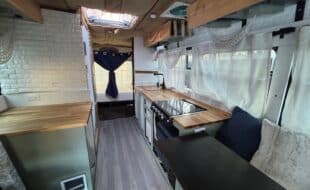
- This section includes a washer, small sink, microwave, and two burner stove top
- Granite counter tops
- No drawer hardware to prevent snagging, they have recessed cut outs.
- shower area
- includes two shower heads, one for filling the shower tank and the other for taking a shower.
- This area includes a composting toilet, the pee compartment is directed into the grey tank
- Main sitting area
- table section has two main storage compartments
- The forward compartment holds the entire electrical system and components
- The aft compartment is all free storage
- Additionally, there is a storage compartment under the platform (floor section) of the table, this is where some plumbing connections are. Harder to reach.
- The main kitchen table turns into another twin XL bed with 4inch foam cushions that make the mattress (stored in the bus).
- Closet area
- The hallway side has 6 drawers with recessed cut outs for hand inserts with soft close slides. This prevents them from opening during operation.
- The bed side has a large hanging closet that is 6.5 feet deep.
- It was the perfect space for golf clubs and jackets
- Desk Area
- Small area with a 24” TV and laptop mount for remote work
- Can also swing the TV around for watching from bed
- Garage
- The entire section is 12-15 inches deep but has a maximum height of 7 feet.
- Some of the underbed storage connects to the garage
- This would be used for emergency egress incase of a fire at the front door
- Each side has 3-6 shelves, perfect for tools, camping gear etc.
List of outstanding items that prevent the bus from being ‘perfect’
List #1 are items that could / should be addressed
- Underfloor pumps (loss in friction) and change direction
- Add two more pumps in series
- This will increase flow efficiency for engine overheating and personal heating
- Grout shower
- Clean over cement, and grout
- Finish trailer hitch wiring
- Finish wiring to battery
- Was wired behind left taillight before wall was installed to practical reasons, but never connected controller to battery posts
- One breaker to left kitchen outlet is shorting.
- Rewire in conduit or ignore
- Overhead fan voltage drops
- Fan speeds above 90% cause the voltage to drop just enough that the fan activates its auto turn off mode
- The computer brain was replaced but no change was noticed
- The only possible fix is directly rewiring it to its own breaker
- Engine charge controller
- Bought and partially installed a charge controller that could charge the batteries while the bus engine is running. The controller is in the controller bay but not hooked up to the alternator.
List #2 are items I do not recommend addressing
- Intermediate check engine light
- Comes on if vehicle is not cranked in over a month, if you drive for 20 minutes, shut down and restart it disappears.
- The codes that pop is associated to the stop arm system that was never dead ended at the EMS.
- There is no effect on the bus and never will be.
- It is not worth messing with the EMS
- Hot day check engine light
- If you drive the vehicle in 95+ degree weather for over 4 hours with hill climbs a check engine light will come on intermittently.
- Even though the engine is well below the operating temp (thanks to the underfloor heating system) there is a wire related to the throttle connected to the EMS that tells the EMS that it is not receiving gas even though it is.
- This engine light is a caution and does not remove power from the vehicle, the light will come on and go off randomly.
- If you drive the vehicle in more forgiving conditions the light will not show up. Or simply take longer breaks than simply getting gas between such rough trips.
Closing Remarks
If you have reached this section and you have comments, questions or concerns please feel free to email me. I can provide a google drive link for more pictures. Understand there is more to this Bus than I can possibly cover in a single post. Lastly, here is the TLDR.
- Selling vehicle for $30,000
- Price is negotiable
- Delivery is an option
- Viewing and test driving is available
- Not interested in trades
- More Pictures and Details are available upon request